
Clubs - Enrichment
At William Harding School, clubs play a vital part in the enrichment offer we provide. They give pupils valuable opportunities to explore new interests, develop existing skills and discover new talents beyond the classroom. Our clubs also encourage teamwork, build confidence and allow pupils to form friendships, all while having fun and enjoying new experiences. We believe that clubs should be enriching, inclusive, and exciting. Our aim is to ensure that all children, regardless of background or ability, have the opportunity to try new things, develop their interests, forge new friendships and feel proud of their involvement in school life. Clubs should help children find new passions, build confidence, develop social connections, and improve their physical and emotional wellbeing. We want our pupils to say that clubs at William Harding are ‘awesome’.
Club Information
The clubs we offer are based on the interests, requests and needs of our pupils. We draw upon the passion and interest of the staff to share their enthusiasm and expertise with our pupils. We want to provide children with a wide range of experiences, helping them to discover new interests, develop new skills and broaden their horizons. Each club has been selected to complement and further enhance our enrichment curriculum, ensuring that learning extends beyond the classroom.
We are continuing to develop and introduce a larger range of external clubs for the pupils, run by both WH staff and external agencies.
Here are some of the clubs that we offer at different points of the year:
Football
Netball
Multi-Sports
Brain Teasers
Arts & Crafts
STEM Coding
Creative Writing
Gardening
Choir
British Sign Language Club
French & Spanish
Chinese
Cooking
Science experiments
Musical Theatre
Dance
Club Charges
Clubs will be charged at £1 per session. This nominal fee helps cover basic resources and supports the sustainability of our clubs offer. It also reinforces commitment to regular attendance. Our pricing has been benchmarked and remains significantly lower than that of other local schools, ensuring excellent value for families.
All clubs are free of charge for children who are:
· Invited to a club as part of our targeted provision,
· Eligible for Pupil Premium, or
· Included on the WH SEND Register.
We use school funding to remove financial barriers and ensure that all pupils have access to high-quality enrichment opportunities.
Further information with regards how to sign up for clubs will be shared via Schoolcomms, these will be allocated on a first come first served basis.
Lunchtime/Daytime Clubs
Our sports coach and LSPs run a number of clubs during the day to further enrich the children’s experience in school. These include sports and games clubs and are available to all children on an ad hoc basis as well as those who are nominated by class teachers.
To support children with SEND, the SEND team run a variety of invitation only clubs throughout the year. adn at different times of the day.
Sunshine Grove
A morning club on Monday & Friday -8.15am-8.45am run by the SEND team with a focus on boosting attendance for SEND children. This is a calm and friendly session where we can wake up our bodies, get ready for learning, and enjoy exploring our senses together.
If you would like to find out more about our enrichment curriculum or clubs, please contact Mrs Fulford Foy via the school office.
Intent
Our clubs offer is designed to give children access to experiences they may not otherwise have outside of school. We are committed to building cultural capital by exposing pupils to new opportunities such as British Sign Language, performance and creative arts, gardening, fitness, and teamwork. Clubs provide an important way to purposefully extend the school day, enriching our wider curriculum and supporting children’s personal development.
Through clubs, pupils can build character, develop resilience, discover new talents, and form friendships across year groups. We are especially focused on increasing access and removing barriers for our Pupil Premium and SEND pupils, as well as for children who are less active and may need encouragement to take part.
Our clubs programme reflects our commitment to going above and beyond the taught curriculum and to ensure pupils have Cultural Capital opportunities. It provides meaningful, inclusive enrichment that supports pupils’ wider development and helps all children, particularly those from disadvantaged backgrounds or with additional needs, gain the skills, confidence, and cultural capital they need to thrive both in and beyond school.
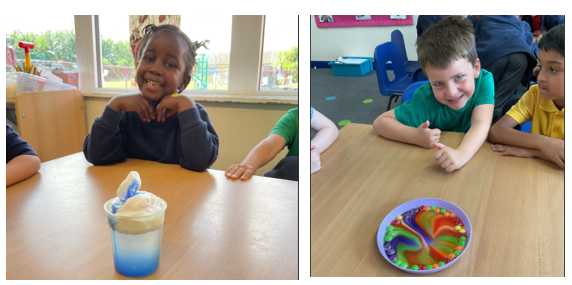
science club
Implementation
Clubs take place after school from Monday to Thursday and will all finish at 4:30pm. No clubs take place on Fridays to protect staff wellbeing. All clubs will run for five or ten weeks per term, with the aim of providing consistency and allowing pupils to experience progression and success across the term. If a session is missed due to unavoidable events such as parents’ evenings or extreme weather, the missed session will be made up at a later date to ensure pupils still receive ten full sessions.
Every teacher is expected to run one club for half a term per academic year. These may be linked to their year group’s curriculum, a subject specialism, or a personal interest. In addition to teachers, clubs can be delivered by any member of staff at William Harding, including teaching assistants, FLO team members, and support staff. This helps us to broaden the range of clubs on offer and draw on the expertise and passions of our whole school community.
We will also explore the possibility of pupil-led clubs, with our Subject Champions supporting staff or leading mini sessions for younger pupils.
We will run both open clubs and targeted clubs. Some clubs will be invite-only, such as Competition Choir, or created specifically to support particular groups. We will offer physical activity clubs for children who are less active, which may include dance fitness, Just Move, yoga, or boxercise. Clubs like Wellbeing, Gardening, and Cooking will support children socially and emotionally, while helping them develop key life skills. The SEND team will also lead inclusive clubs such as British Sign Language and sensory-friendly groups that allow children to thrive in a quieter, more structured environment.
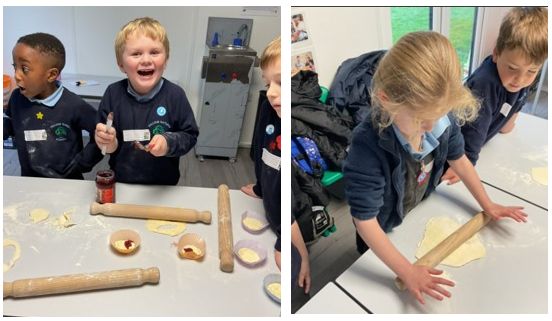
baking club
Planning and Organisation
Staff running clubs will plan inclusive, engaging sessions based on their strengths or interests. This could include sporting, creative, academic, or wellbeing-focused activities. Clubs should be safe, welcoming, and appropriate for the age range attending.
Each half term, a club timetable will be published and sent to families in advance. Booking will be coordinated centrally via Arbor to ensure fairness and avoid scheduling clashes. Children will be encouraged to try something new each term. A rolling waiting list will be used to manage oversubscription and ensure that unfilled or vacated spaces can be quickly reallocated.
Some clubs will run as a full 10-week commitment to allow for depth, progression, and skill development. Others may run in two 5-week blocks, each with a different group of pupils, to increase access and allow more children to participate in high-interest clubs.
We will use pupil voice and feedback to shape the club timetable and ensure that the most requested activities are included. Attendance will be tracked weekly. A second adult (e.g. FLO or admin team) will check club lists to confirm any absences before contacting parents, ensuring all pupils are safe and accounted for. Pupils who are persistently missing clubs will be followed up with, to ensure they are able to access and benefit fully from the offer.
Impact
We expect clubs to have a positive and measurable impact on pupil engagement, wellbeing, and confidence. By offering a wide and inclusive range of clubs, we aim to build cultural capital, develop key life skills, and level the playing field for pupils who may have limited access to enrichment opportunities outside of school. Clubs play a vital role in strengthening our wider curriculum and supporting pupils’ holistic development.
Through regular pupil voice surveys, we will gather feedback to ensure that clubs remain popular, purposeful, and enjoyable. Participation will be tracked termly, helping us to monitor engagement across year groups and pupil groups. Our goal is for the majority of Pupil Premium and SEND pupils to access a club each academic year, with a year-on-year increase in participation.
Where uptake is low or inconsistent, we will proactively work with families to understand barriers and put in place supportive strategies to ensure that children are not missing out on the benefits of our extended curriculum offer.
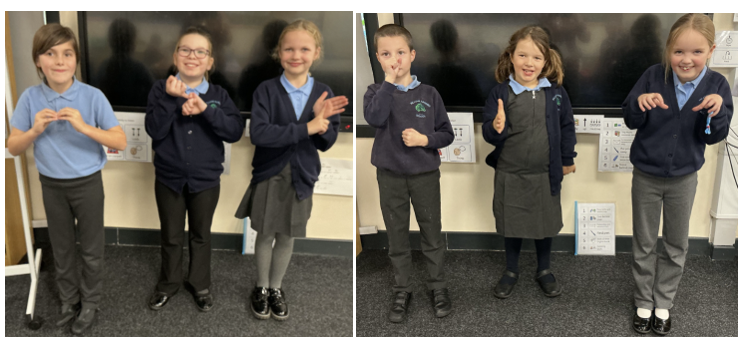
British sign language club - children sign “BSL” and “Three Animals”